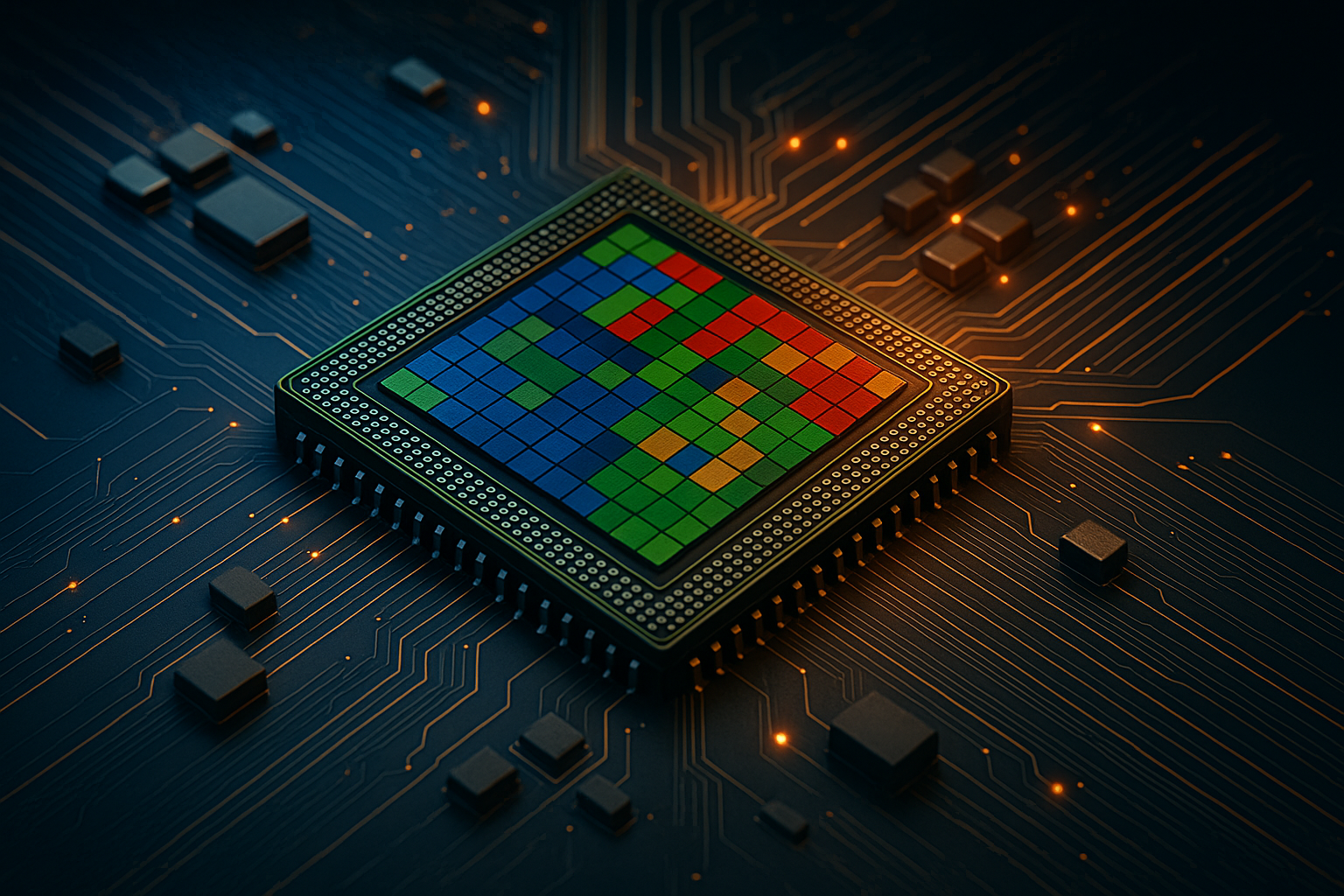
Microsoft’s ambitious drive to design its own artificial intelligence processors has hit a significant snag. The company’s next-generation Maia AI chip—internally known as Braga—has been delayed and will now enter mass production in 2026, rather than the originally planned 2025, according to sources.
From Promise to Postponement
First introduced in late 2023, the Maia chip was conceived as Microsoft’s answer to Nvidia’s market-dominant “Blackwell” GPUs. The goal was straightforward: reduce reliance on external vendors, cut costs, and tailor performance. But that roadmap has been disrupted. Multiple reports suggest design revisions, staffing shortages, and high turnover within the chip development teams created cascading delays.
Those “unanticipated design changes”—some possibly prompted by partner demands—introduced stability issues in simulations. Meanwhile, Microsoft reportedly retained aggressive development timelines, contributing to stress and about one-fifth of design staff departing.
Competitive and Technical Implications
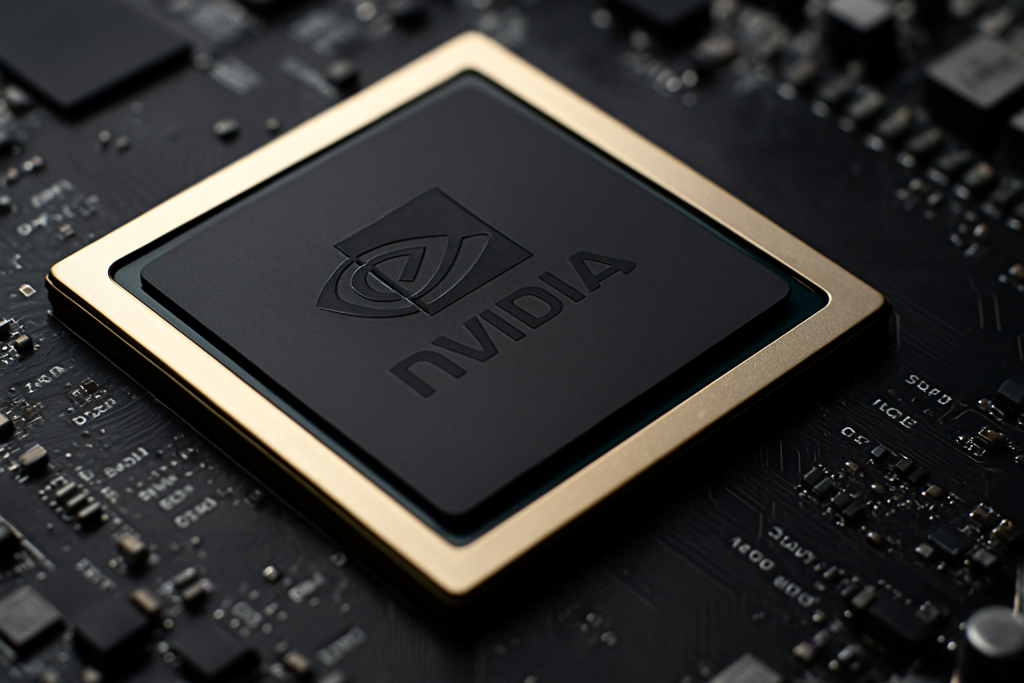
By the time Braga enters production, it may struggle to match Nvidia’s Blackwell chips, which launched in late 2024 to great acclaim. In contrast, competitors have surged ahead: Google released its seventh-generation TPUs in April 2025, and Amazon’s Trainium3 chip is expected later this year.
TCD notes that Microsoft has trailed peers in scaling Maia for real-world deployment. What was intended as an AI data-center accelerator has yet to see extensive use beyond internal testing, partly because initial versions focused on image processing rather than generative AI workloads that dominate modern applications.
Strategic Ramifications
Microsoft’s delay reinforces its continued dependency on Nvidia’s hardware to support large-scale AI services, such as those powering Azure infrastructure. Remaining reliant carries both performance and cost implications, potentially limiting competitiveness as rivals secure pricing and efficiency advantages through proprietary chips.
More broadly, this setback raises questions about Microsoft’s internal chip development process. Industry analysts suggest unrealistic deadlines, evolving design requirements, and talent disruptions underscore deeper project management hurdles.
What Lies Ahead
Moving forward, Microsoft still plans additional chips in the Maia family—codenamed Braga-R and Clea—targeted for data center deployment in 2026 and 2027, respectively. However, whether these will meet competitive performance targets remains unclear.
Observers suggest Microsoft faces a choice: intensify investment in hardware capabilities or recalibrate its AI strategy around collaboration and innovation in software and algorithms.
Microsoft’s delayed AI chip rollout highlights the nuances of hardware innovation in the competitive tech landscape. Despite early promise, internal design revisions and human capital challenges have forced a shift in timelines, leaving Braga behind competitors. Now, Microsoft must navigate deploying AI infrastructure without its own cutting-edge silicon and decide whether accelerated hiring, tactical external partnerships, or hybrid design-software synergy will reclaim lost ground.