Representation Beyond the Everyday
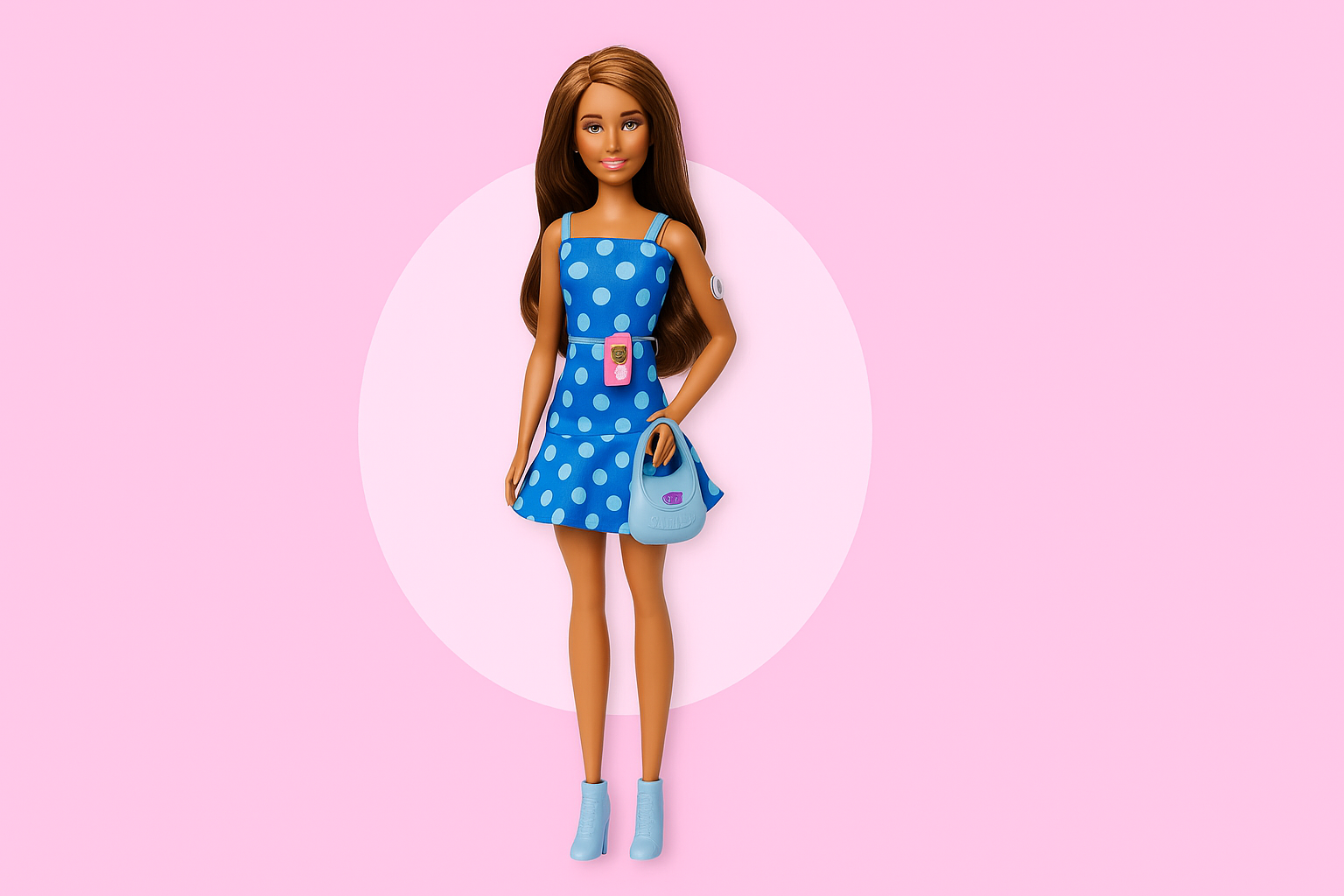
Barbie is once again pushing boundaries—this time by introducing a new doll with Type 1 diabetes. Outfitted with a wearable insulin pump and a continuous glucose monitor, the doll is part of the Barbie Fashionistas line and aims to represent children living with medical conditions, while also inviting imaginative play that reaches beyond a child’s direct experience.
The company said the new addition expands its representation and encourages play extending “beyond a child’s own lived experience.”
A Step Toward More Inclusive Play
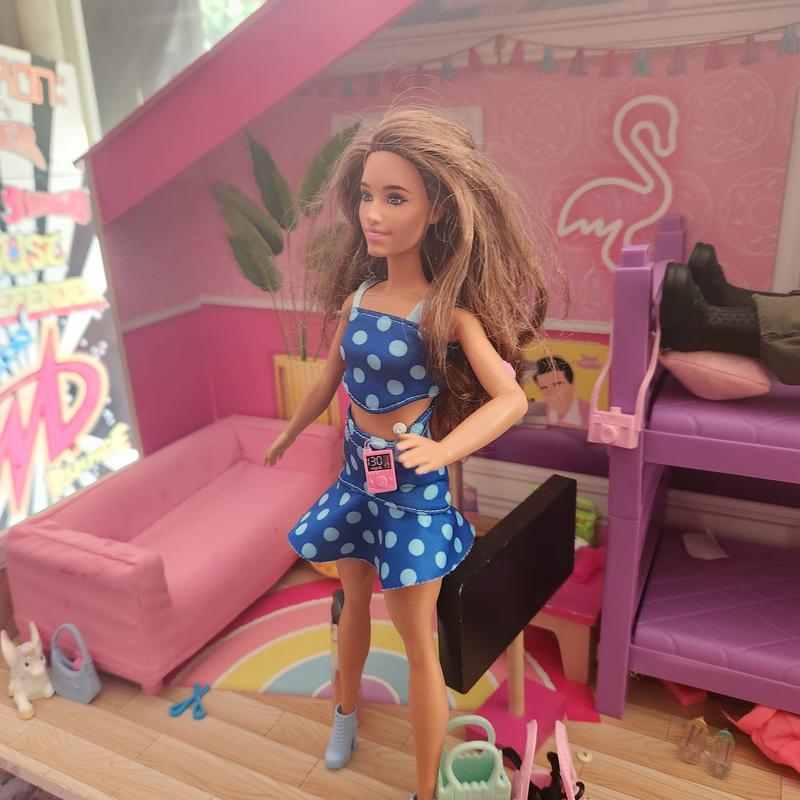
Mattel announced the new doll, noting its mission to make play more inclusive and relatable. The doll wears a glucose monitor on her arm and an insulin pump on her waist—devices commonly used by people living with Type 1 diabetes.
Krista Berger, senior vice president for Barbie and global head of dolls, emphasized the brand’s commitment to authenticity and inclusivity.
“Barbie helps shape children’s early perceptions of the world, and by reflecting medical conditions like T1D, we ensure more kids can see themselves in the stories they imagine and the dolls they love,” Berger said.
“This doll marks an important step in our commitment to inclusivity.”
What Is Type 1 Diabetes?
According to the Mayo Clinic, Type 1 diabetes is a chronic condition in which the pancreas produces little to no insulin—the hormone that helps glucose enter cells for energy. To manage the condition, people often rely on devices like continuous glucose monitors and insulin pumps to track and regulate blood sugar levels.
A Growing Diagnosis Among Children
More than 18,000 people under the age of 20 were diagnosed with Type 1 diabetes in the U.S. in the past year, according to the CDC. Between 2002 and 2018, the number of new diagnoses has increased by around 2% annually, highlighting the growing need for visibility and awareness.
Partnering for Accuracy and Impact
To ensure the new doll’s medical details are realistic, Mattel partnered with Breakthrough T1D, a nonprofit focused on Type 1 diabetes. Aaron J. Kowalski, the organization’s CEO, shared how personal the project felt.
“I have lived with T1D since I was 13, and my brother since he was 3, so this partnership is deeply personal – it means the world to be part of bringing greater visibility to a condition that affects so many families,” Kowalski said.
Positive Early Feedback from Parents
Although the doll has just been launched, reviews are already appearing on Mattel’s website from parents who received the product in advance. These early responses are marked as “incentivized,” but they highlight meaningful reactions.
One parent noted that the doll helped spark an important discussion:
“We have a close family friend who is T1D, so this was an excellent opportunity to explain what each item was and what it does to help keep people safe and healthy.”
Another wrote about the impact on their own child:
“I gave it to my 7-year-old daughter and it opened up a conversation about diabetes.”
Feedback from early reviewers on Mattel’s website shows the doll is already making an impact in homes.
This mother shared how the new Barbie sparked meaningful conversation:
“I loved being able to give my daughter this and open up the conversation about diabetes with her. It’s something new to her, as she’s only 7, so I was able to explain to her what exactly that attachment on the Barbie was and how she may come across someone who has one. She was so excited when she realized that she does know someone with one!” — Review titled “Very curious 6 year old”
Another reviewer expressed deep appreciation for the doll’s emotional significance:
“I can’t wait for Her!!! Someone most precious to me will love this Barbie! Thank you for working with our community to bring this important doll to life. I’m so grateful that I’m in tears, Mattel.” — Review titled “Proud of you, Barbie/Mattel”
This shows how representation can turn into real-world learning, helping children better understand the people around them — and maybe even recognize connections they didn’t know they had.
More Than Just a Doll
This new Barbie is more than a toy—it’s a bridge to empathy, understanding, and self-recognition for children living with chronic conditions. By including medical realities like Type 1 diabetes in its product lineup, Mattel continues to show that playtime can be inclusive, educational, and empowering all at once.