At the 2025 Cannes Lions International Festival of Creativity, the spotlight wasn’t just on bold ads or shiny awards—it was on Generation Z. As marketers gather to rethink strategy in a fast-changing digital landscape, one message was clear: winning Gen Z Brand Loyalty demands a new playbook.
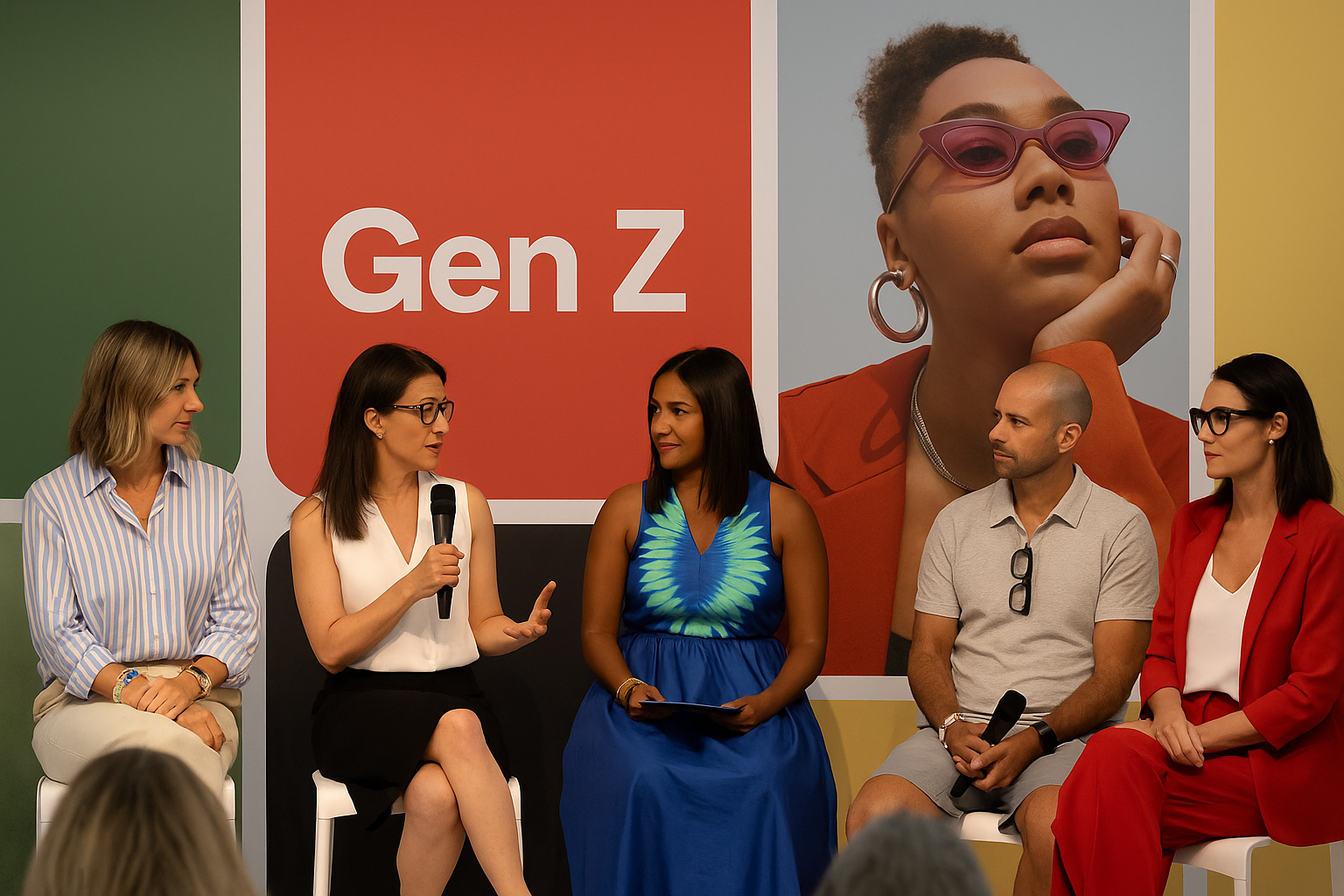
Hosted by Vogue Business and Pinterest, a private lunch event at Cannes brought together CMOs, creatives, and cultural strategists to discuss how brands can authentically engage the next generation of consumers. The answer lies in speed, cultural fluency, emotional resonance, and a deep understanding of how Gen Z navigates identity and commerce.
Gen Z: A Generation Unlike Any Before
Born between roughly 1997 and 2012, Gen Z is now shaping the global economy. According to McKinsey & Company, Gen Z already accounts for $450 billion in direct spending power globally—and they influence up to $3 trillion when factoring in household decisions. But beyond spending power, it’s how they make decisions that challenges marketers.
Unlike previous generations, Gen Z has grown up fully digital. Their attention is fragmented across platforms like TikTok, Pinterest, Instagram, YouTube, and Twitch. They respond to peer validation more than traditional authority and place high value on identity expression, sustainability, and authenticity.
At Cannes 2025, Pinterest’s Chief Marketing Officer Andréa Mallard summed it up: “Gen Z doesn’t just shop—they build stories about their future selves. They plan. They dream. And if brands want a place in that narrative, they need to show up in the right way, with the right tone, and at the right time.”
Aspirational Planning and the Power of Inspiration
Pinterest, often overlooked in discussions dominated by TikTok and Instagram, has quietly become a powerful Gen Z tool for what Mallard calls “aspirational planning.” Whether it’s curating a dream wedding board at age 16, planning a post-graduation trip, or styling outfits for a future job, Gen Z uses Pinterest to visualize life goals.
This differs from the impulse-driven behavior on platforms like TikTok. For brands, this means two things:
- Don’t just sell products—sell futures. Messaging that connects a product to an aspirational lifestyle or identity is more likely to stick.
- Be present early in the decision journey. Gen Z may plan for months before making a purchase. Visibility during this phase builds trust and conversion.
If millennials admired curated perfection, Gen Z craves realness. At Cannes, several speakers noted the success of “lo-fi” content, behind-the-scenes footage, and unscripted moments.
Brands like Fenty Beauty, Duolingo, and Crocs were cited as examples of companies that embrace humor, self-awareness, and human voices rather than polished, corporate campaigns. Duolingo’s owl mascot has become a social media star not because of slick production, but because of bold, relatable, sometimes chaotic content.
At the GirlBossTown panel, TikTok creator Robyn DelMonte explained, “Gen Z can spot inauthenticity in two seconds. If your campaign looks too perfect, they assume it’s fake—or worse, manipulative.”
Cultural Relevance Over Mass Appeal
Another lesson from Cannes: speed and cultural fluency matter more than broad reach. Gen Z expects brands to respond to social moments, memes, and even controversies—in real time. But doing so successfully requires more than just hopping on a trend.
Failing to read the tone or audience can backfire, as shown by several brand blunders earlier this year. On the flip side, brands like Netflix, Skims, and Glossier have mastered the art of joining conversations with humor and relevance without losing their brand voice.
Speakers emphasized the importance of having internal teams that reflect Gen Z diversity—not just age, but culture, gender identity, and geography. Without this, attempts at cultural relevance may fall flat or feel performative.
Immersive Experiences and the Rise of Phygital Marketing
Brands aren’t just winning loyalty through screens. In-person activations still matter—especially when they tie back to digital storytelling. Johnnie Walker and Don Julio, for instance, launched mixed-reality pop-ups in Paris and New York that let attendees co-create branded content using VR and AR tools.
These hybrid experiences, referred to at Cannes as “phygital loyalty moments,” allow Gen Z to connect with brands across multiple senses. They also generate organic content and encourage community-building.
“We’re not just marketing at them,” said Johanna Faries, CMO of Activision. “We’re building spaces where they can engage, create, and reflect who they are.”
Niche Communities Are the New Mass Market
Gone are the days of one-size-fits-all campaigns. According to a new study presented by Hootsuite, 88% of U.S. Gen Zers participate in niche online communities—from anime fandoms and booktok groups to vintage sneaker forums and K-pop subreddits.
These micro-communities offer high trust and engagement, making them prime targets for micro-influencer partnerships and community-led campaigns. Brands like Nike, Lush, and LEGO are already experimenting with hyper-targeted content, earning loyalty by speaking the language of each group.
The Bottom Line: Earning Loyalty, Not Buying It
Unlike older generations, Gen Z doesn’t reward brand loyalty with repeat purchases alone. Instead, they ask:
- Does this brand share my values?
- Is it transparent about how it makes its products?
Does it listen to its community? - Can I see myself—or my aspirations—in this brand?
Brands that answer “yes” consistently are those winning loyalty in 2025.
As Cannes Lions 2025 made clear, the future of marketing isn’t just creative—it’s collaborative, culturally aware, and emotionally intelligent. Winning Gen Z loyalty won’t be easy. It requires real-time agility, multi-platform engagement, and a deep commitment to authenticity.
But for brands willing to adapt, the rewards are significant. Gen Z isn’t just the future—they’re the now. And the brands they choose today will shape the market for decades to come.